Behind the Price Tag: How to Tell a Treasure From a Trend
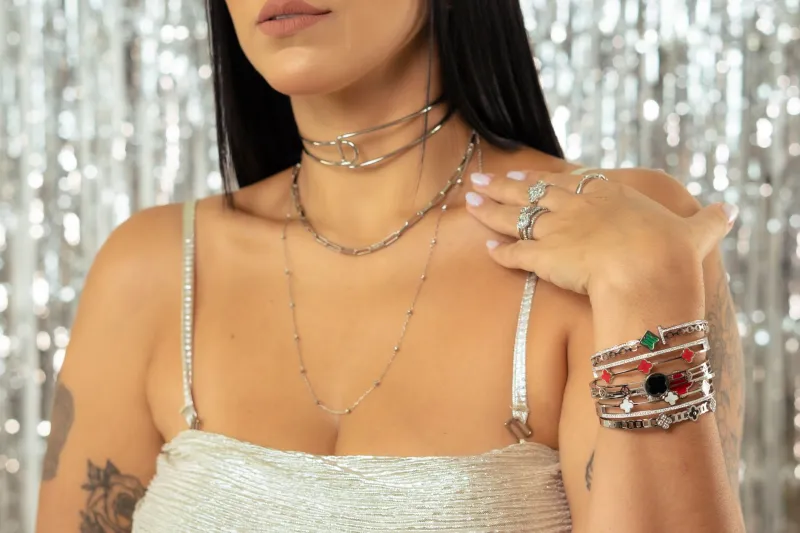
You spot it from across the room: a bold collar, a thick gold tone, a flash of green stone. It looks like the kind of piece that commands a room. Then you see the price—one version is $40, the other is $4,000—and suddenly the whole thing feels like a riddle. Is the expensive one a scam? Is the cheap one a secret steal? Or is there something real in between?
The answer is rarely dramatic. Independent jewelers and appraisers tend to agree on one thing: you are not paying for the look alone. You are paying for what the look is made of, how it was made, how long it will last, and what kind of support comes with it. Once you know where the money actually goes, the decision gets a lot less mysterious—and a lot more personal.
Metal Is the Foundation You Can Feel
Start with the metal, because it sets the baseline. A $40 statement piece is often brass, steel, or a base metal with a thin layer of gold plating. That can be perfectly fine for a season of dinners and photos. But plating wears. It fades at the edges, reacts to lotion and perfume, and can turn your skin green on a hot day. If you want a piece you can wear weekly for years, the metal matters more than the shine.
As you move up the price ladder, you typically move into sterling silver, thicker gold vermeil, or solid gold. Vermeil—gold layered over sterling silver—can be a smart middle ground when the plating is thick enough. Solid gold costs more because the material itself has value and won’t wear away. For statement pieces, weight is a clue: a substantial piece should feel substantial. If a large necklace feels suspiciously light, it may be hollow, thin, or built for display rather than daily life.
Stones: Sparkle Is Only Half the Story
A stone can look lively in a store and flat in daylight. The difference is usually cut, not just material. A well-cut cubic zirconia can outperform a poorly cut natural stone to the naked eye, while a lab-grown stone can offer real durability and clarity at a friendlier price. Natural stones carry their own story and market value, but they also vary widely in quality.
Appraisers often look at the setting before they look at the stone. Are the prongs even? Is the stone secure? Does the metal around it look finished or rushed? A $4,000 piece should not have a wobbly stone or a prong that catches on your sweater. A $40 piece can still be charming, but it is usually built with more compromise—and that is worth knowing before you fall in love.
The Hands Behind the Piece
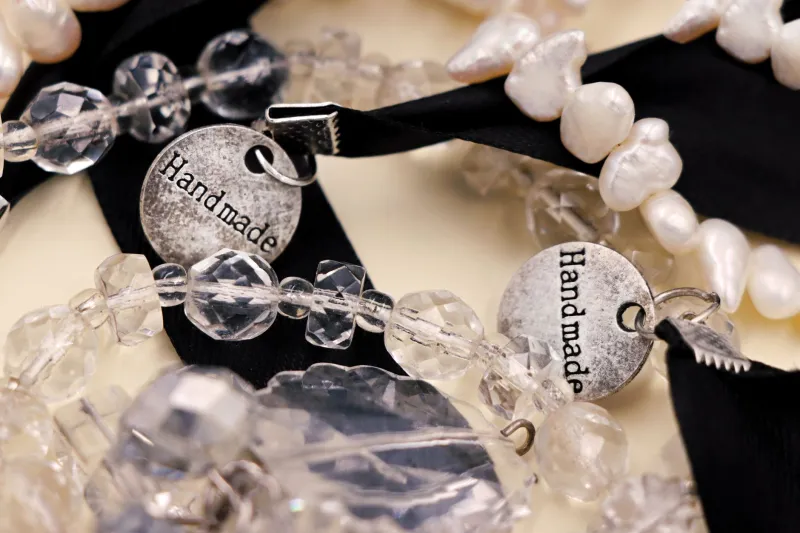
Labor is where two similar-looking pieces can quietly part ways. Mass-produced jewelry is cast, assembled, and finished at scale. Hand-finished jewelry involves more time at the bench: setting stones, smoothing edges, adjusting clasps, and checking balance. Small-batch production costs more because someone is paying attention to details you may only notice after the tenth wear.
That does not mean every expensive piece is handmade, or that every affordable piece is careless. It means you should ask what you are paying for. A local jeweler can often tell you whether a piece is cast, hand-finished, or assembled from components. If the answer is vague, treat that as information too.
Design Has Value—Even When It’s Hard to See
Original design is intellectual property. A brand that develops a silhouette, sources stones, prototypes, and refines a piece has invested before the first unit ever sells. Knockoffs can undercut that price because they skip the development. For shoppers, this is a values question as much as a money question. If you love a distinctive design and want to support the people who made it, paying for originality is part of the point.
The Brand Tax Is Real—and Sometimes Worth It
Yes, part of the price tag can be markup for packaging, advertising, real estate, and prestige. But brand can also buy you things that matter: a clear return policy, a warranty, reliable customer service, and a paper trail if you ever need to insure or appraise the piece. The trick is separating the parts you value from the parts you are simply paying for.
A Practical Framework: Splurge, Save, or Skip
Splurge when the piece is going to be worn often, made of materials that will hold up, and designed in a way that feels like you. Solid gold, secure settings, a comfortable clasp, and a clear return policy are worth real money. So is originality you genuinely love.
Save when you are experimenting with a trend, trying a color you are not sure about, or buying for a specific event. A $40 piece can be a smart way to test a silhouette before you commit to the real thing. Just go in knowing it may be a short-term relationship.
Skip when the materials are unclear, the clasp feels flimsy, the piece is hollow in a way that dents, or the seller cannot answer basic questions. A high price is not a guarantee of quality, and a low price is not automatically a bad deal. The details are the deal.
What Actually Matters on the Body
Here is the part the price tag cannot tell you: how it wears. A statement piece should sit right, move with you, and feel comfortable enough that you forget you have it on. Check the weight against your neck and shoulders. See how the color reads against your skin in daylight. Make sure the clasp works with your hair and your habits. The best piece is not the most expensive one—it is the one you reach for without thinking.
The Bottom Line
A $40 piece and a $4,000 piece can both be honest purchases. The difference is in what you are asking them to do. If you want a bold look for a season, save with clear eyes. If you want a piece that becomes part of your signature—or something you might pass on—pay for the materials, the making, and the care behind it. The price tag is a starting point, not a verdict. Your job is to decide which details deserve your money.